Deutsch

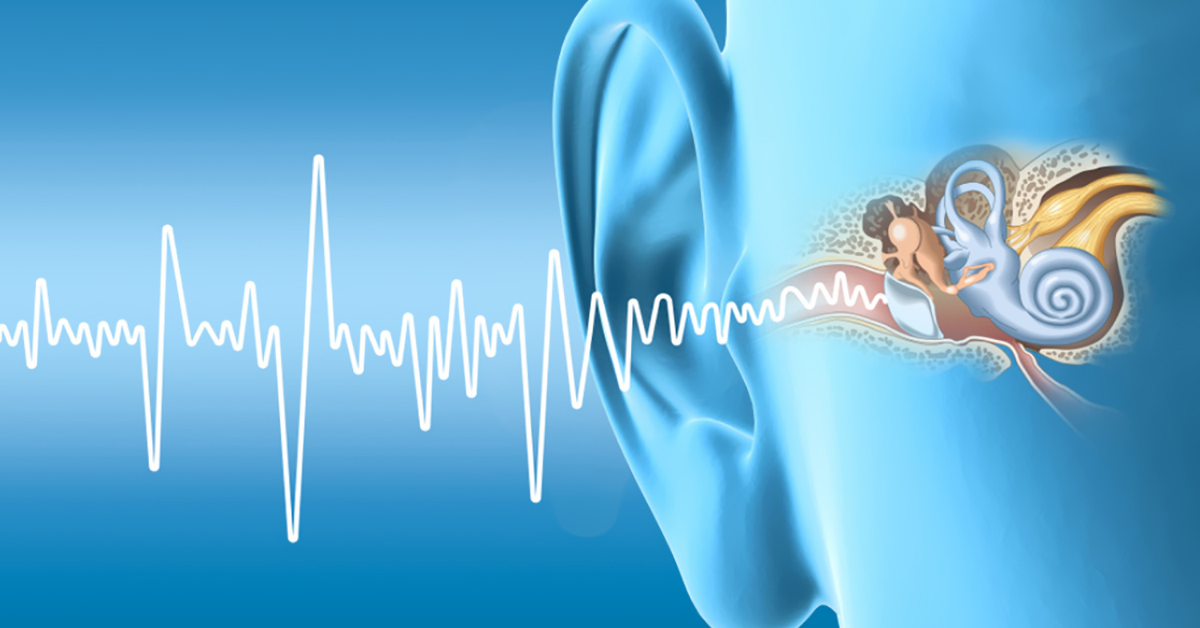
Hearing loss does not always happen suddenly. In many cases, it develops gradually, which can make the first changes easy to overlook. You may notice that conversations require more effort, certain voices sound less clear, or you increase the volume on your television or phone more often than before. Recognizing these signs early can help you understand what is changing and when a professional hearing assessment may be useful.
What Are the Early Signs of Hearing Loss?
Difficulty Understanding Conversations
One of the first signs may be hearing someone speak but struggling to understand exactly what they are saying. This can be especially noticeable when several people are talking at the same time or when the speaker is farther away.
Difficulty Hearing in Noisy Environments
Restaurants, cafés, meetings and social gatherings can make speech harder to follow. Background sounds compete with the voice you want to hear, and this difficulty may become more noticeable when hearing sensitivity changes.
Frequently Asking People to Repeat Themselves
Regularly asking others to repeat words or sentences can be an early sign of hearing difficulty. Sometimes family members or colleagues notice this change before the person experiencing it does.
Turning Up the Volume
If television, music or phone volume has gradually become louder—or other people frequently say that the volume is too high—it may be worth checking your hearing.
Missing Everyday Sounds
Softer sounds, electronic alerts, birdsong or parts of speech may become less noticeable. Some consonants can also be harder to distinguish, making speech seem unclear even when it is loud enough.
Ringing or Buzzing in the Ears
Tinnitus is the perception of ringing, buzzing or another sound without a corresponding external source. It can occur with or without measurable hearing loss, but persistent or bothersome tinnitus should be discussed with a qualified healthcare professional.

When Should You Get a Hearing Test?
You do not need to wait until hearing difficulties become severe. A hearing evaluation may be appropriate if you regularly struggle to understand conversations, notice a difference between your ears, experience persistent tinnitus, frequently increase device volume, or feel that listening difficulties are affecting work or social life. People who are regularly exposed to loud sound may also benefit from periodic hearing checks.
Why Does Early Detection Matter?
A professional hearing assessment can provide information about hearing thresholds and help identify the type and degree of hearing difficulty. Depending on the findings, the next step may involve monitoring, medical evaluation or hearing technology. Not every hearing difficulty requires a hearing aid, which is why individual assessment is important.
What Happens If Hearing Loss Is Identified?
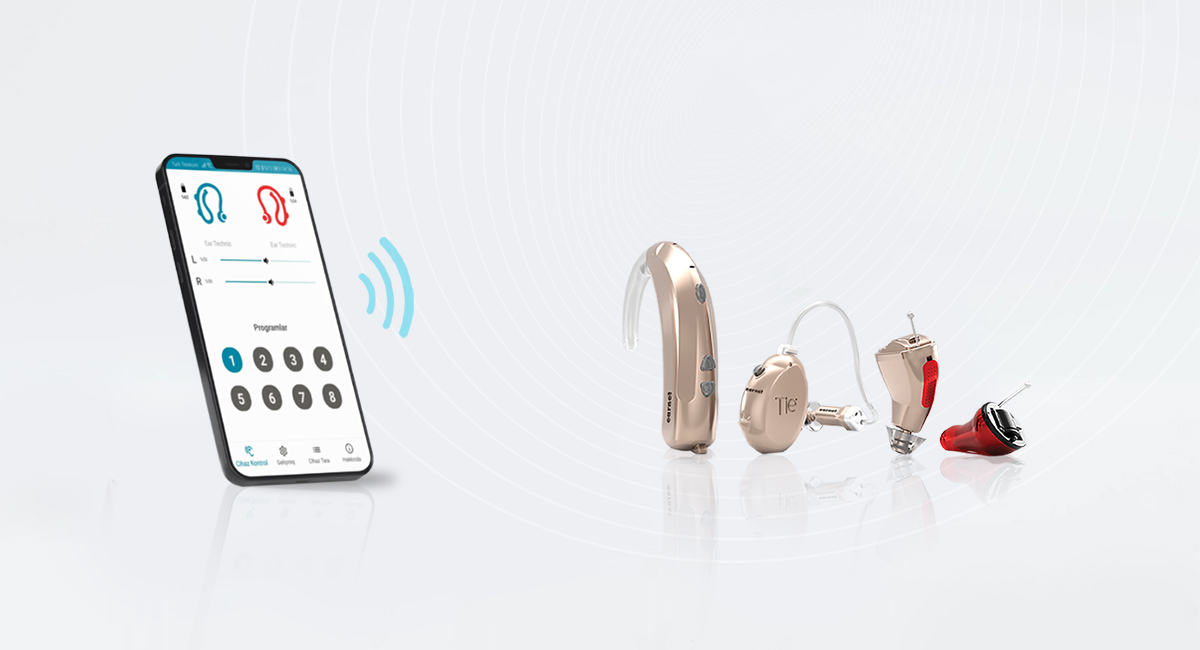
A hearing care professional will consider the hearing test results together with communication needs, lifestyle and listening environments. When hearing aids are appropriate, modern devices can be selected and programmed according to the user’s hearing profile. Features such as rechargeable systems, wireless connectivity and automatic listening programs may also support different daily needs.
Frequently Asked Questions
What is usually the first sign of hearing loss?
Difficulty understanding speech, particularly in noisy environments, is a common early sign.
Can hearing loss develop gradually?
Yes. Many forms of hearing loss develop slowly, so the changes may not be immediately noticeable.
Does tinnitus mean I have hearing loss?
Not necessarily. Tinnitus can occur with or without measurable hearing loss.
Can hearing aids help with hearing loss?
Hearing aids can help many people by improving access to sound and supporting speech understanding. Suitability depends on an individual hearing assessment.
Audiologist and Neuroscience Specialist
Eda Nur KACAKCI