Deutsch

Hearing begins with sound entering the ear, but successful communication depends on much more. The auditory system converts sound into neural information, and the brain organizes and interprets that information. This helps explain why “I can hear you, but I cannot understand you” is a meaningful distinction.
How Sound Reaches the Brain
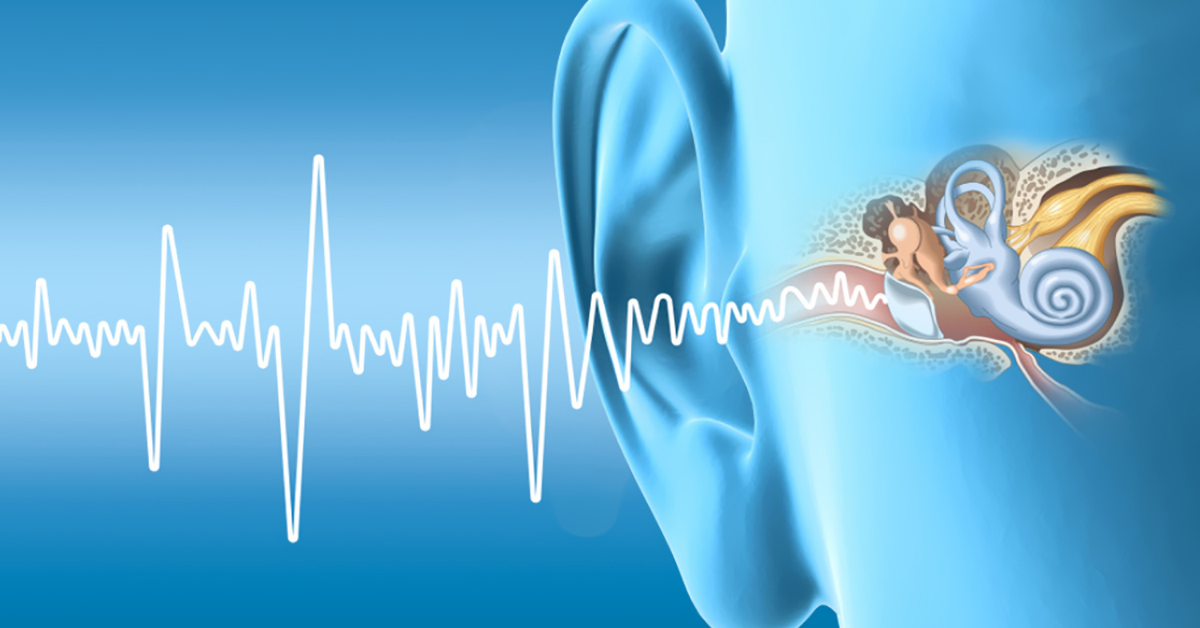
Sound waves travel through the outer and middle ear to the inner ear. The cochlea converts mechanical sound energy into neural signals, which travel through auditory pathways toward the brain.
Hearing and Understanding Are Not the Same
Detecting that a sound is present is different from identifying its meaning. Speech understanding requires the brain to recognize patterns, distinguish words and integrate what is heard with language and context.
Why Hearing Loss Can Affect Speech Clarity
Hearing loss can reduce access to parts of the acoustic signal. If certain frequencies or speech cues are less available, making sound louder may improve audibility without fully restoring every detail.
Listening Also Uses Attention and Memory
Following a conversation involves focusing on the speaker, holding information in memory and predicting meaning from context. These processes become particularly important in fast or noisy conversations.
Why Listening Can Feel Tiring
When the auditory signal is less clear, a listener may need to use more effort to fill in missing information. This can make long meetings, group conversations or noisy environments feel demanding.
Where Hearing Aids Fit In
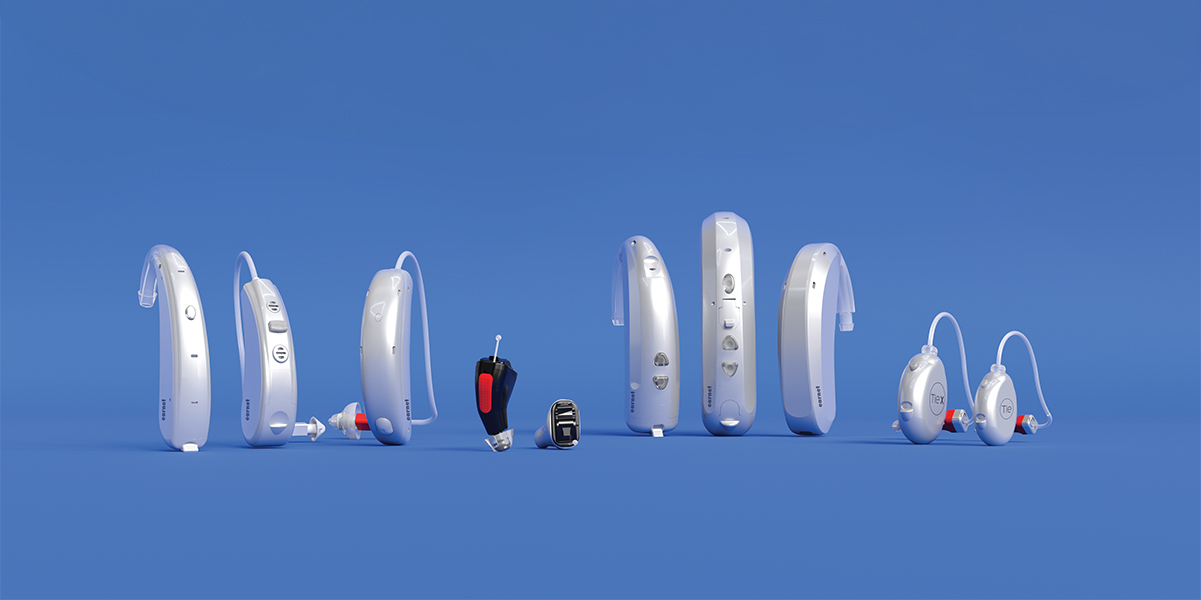
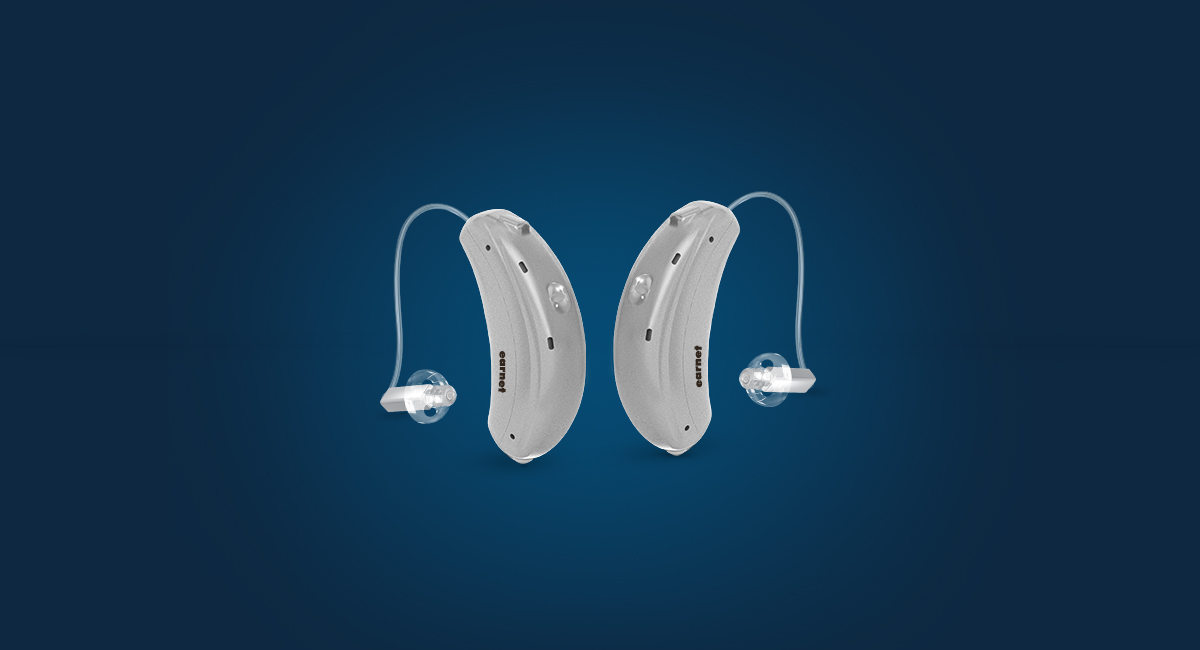
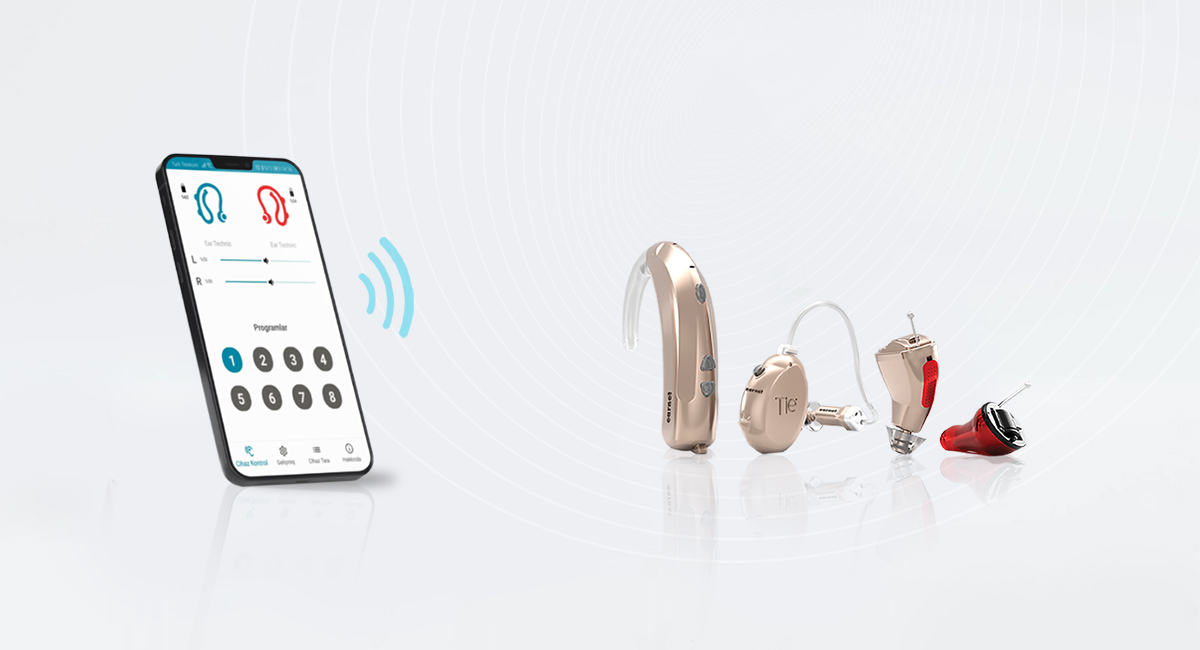
Appropriately fitted hearing aids can improve access to sound and speech information. They do not replace the brain’s processing, but they can provide a more usable auditory signal based on the individual’s hearing profile.
Frequently Asked Questions
Does the brain hear or do the ears hear?
Both are part of the process: the ears detect and convert sound, while the brain interprets the resulting neural information.
Why does louder speech not always become clearer?
Clarity depends on access to speech details, not volume alone.
Can people adapt to hearing aids?
Many users become more familiar with amplified sound through consistent use and appropriate follow-up.
Should difficulty understanding speech be tested?
Persistent difficulties can be discussed with a hearing care professional and evaluated appropriately.
Audiologist and Neuroscience Specialist
Eda Nur KACAKCI