Deutsch
Hearing aid technology has moved far beyond simple amplification. Modern systems can analyze changing sound environments, connect with digital devices and offer increasingly flexible designs. The aim is to provide sound that is not only audible, but also better adapted to the user’s hearing profile and daily life.
Smarter Sound Processing
Modern hearing aids process sound across multiple frequency regions and can apply different strategies according to the acoustic environment. Directionality, noise management and feedback control are examples of functions designed to support everyday listening.
Automatic Environment Detection
Some systems analyze incoming sound and identify characteristics associated with different environments. The hearing aid can then adjust selected processing parameters automatically, reducing the need for constant manual changes.
Wireless Connectivity
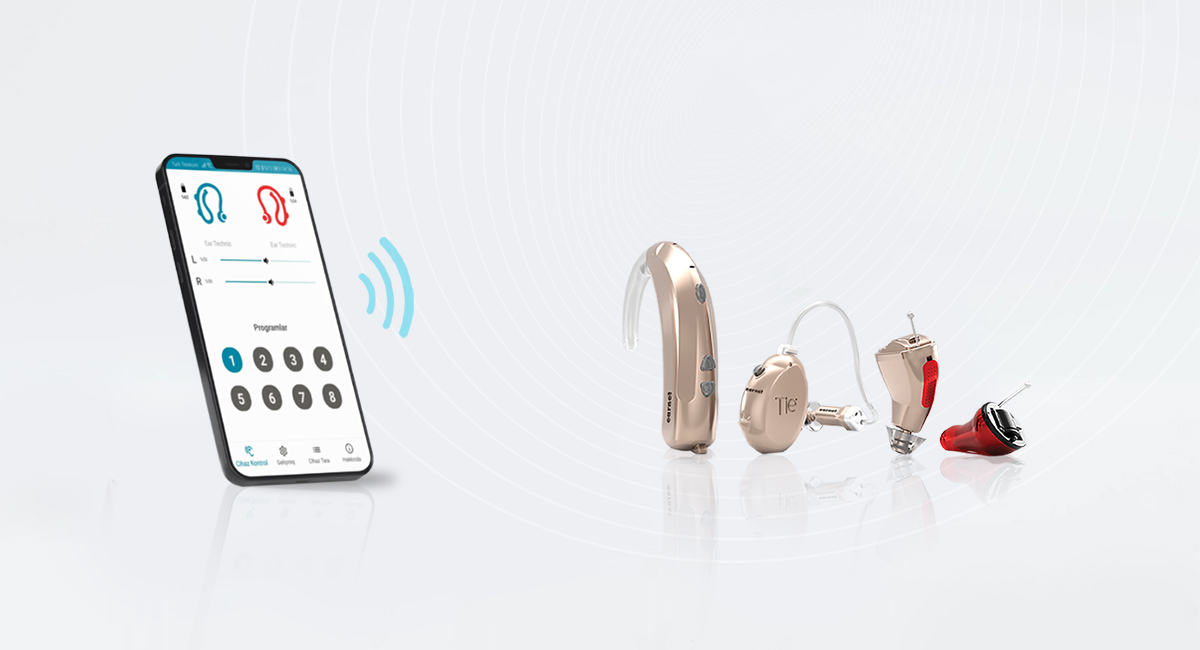
Compatible hearing aids can connect with smartphones and other devices for phone calls, media streaming and app-based control. This makes hearing technology part of a wider digital ecosystem rather than a standalone device.
Rechargeable Hearing Technology
Integrated rechargeable batteries can simplify daily power management and reduce the need to replace small disposable batteries. Charging systems and battery duration differ by device, so lifestyle remains an important consideration.
More Flexible and Modular Designs
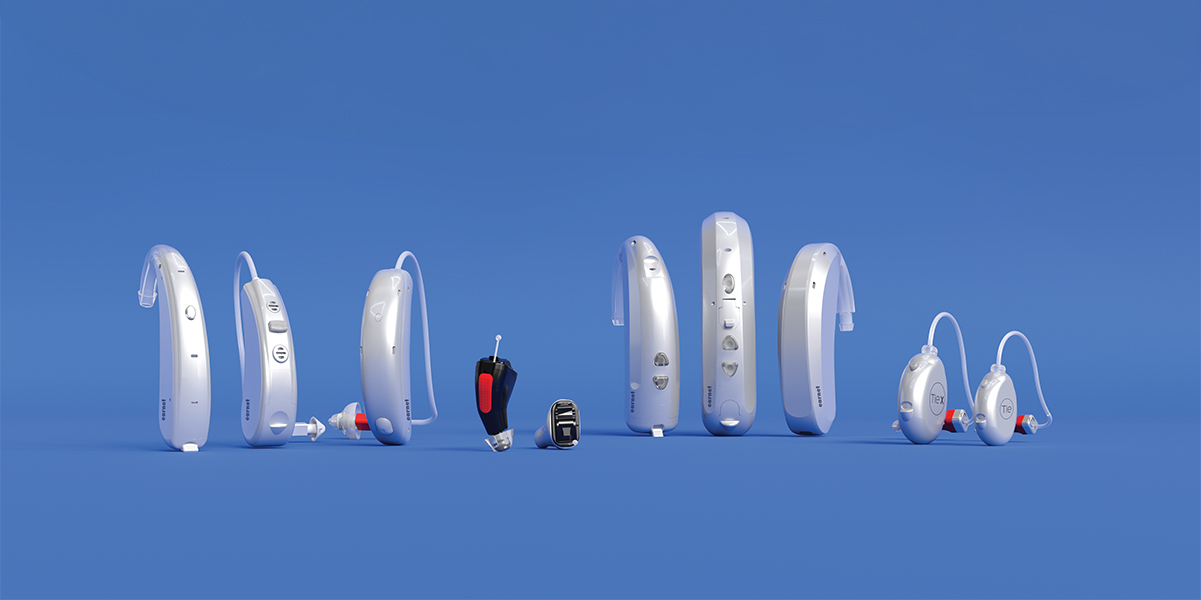
Modular approaches can provide flexibility in how components or configurations are selected, serviced or adapted. The practical value of modularity depends on the specific system and the user’s hearing and lifestyle requirements.
Personalization Is Still the Priority
Advanced technology is useful only when it serves the individual. Hearing thresholds, communication goals, comfort, listening environments and professional fitting remain central to successful hearing aid use.
What Should Users Look for in New Technology?
Instead of focusing only on the newest feature, consider whether a technology addresses a real daily need. Reliable speech access, comfort, ease of use, connectivity and professional support are often more meaningful than specifications alone.
Frequently Asked Questions
Are newer hearing aids automatically better?
Not for every person. Suitability depends on hearing needs, fitting and lifestyle.
What makes a hearing aid smart?
The term commonly refers to adaptive sound processing, connectivity and automated features that respond to listening conditions.
Are modular hearing aids useful?
They can offer flexibility, but benefits depend on the design and individual requirements.
Does advanced technology replace professional fitting?
No. Appropriate assessment, programming and follow-up remain essential.
Audiologist and Neuroscience Specialist
Eda Nur KACAKCI