Deutsch

Hearing gives children access to voices, language and many sounds in their environment. When hearing difficulty is present, identifying it early allows families and professionals to understand the child’s needs and consider appropriate support without unnecessary delay.
Why Hearing Is Important During Childhood
Children learn from repeated exposure to speech and environmental sounds. Reliable access to auditory information can support communication, language learning and participation in everyday activities.
Possible Signs of Hearing Difficulty
Signs vary by age and are not always obvious. A child may respond inconsistently to sound, appear not to notice when called, rely strongly on visual cues, increase media volume or have difficulty following spoken instructions.
Speech or Language Concerns May Need Hearing Evaluation
Speech and language development can be influenced by many factors. Hearing loss is not the only possible explanation for a delay, but hearing assessment can be an important part of a broader evaluation.
What Happens During a Pediatric Hearing Assessment?
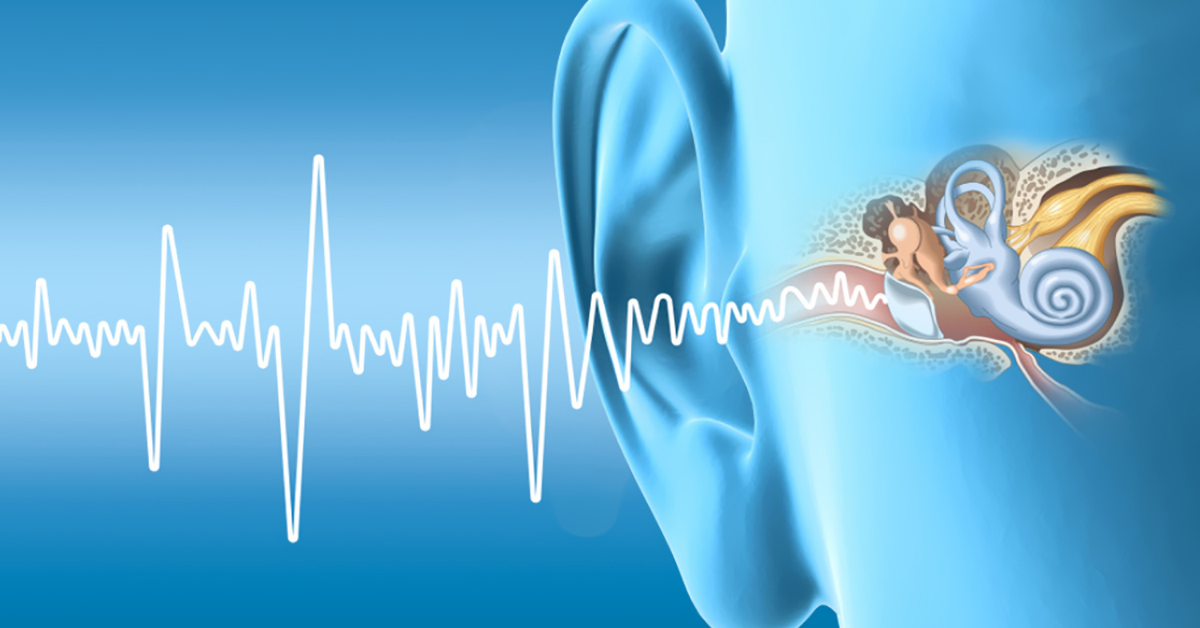
The methods used depend on the child’s age and developmental level. Hearing professionals can use age-appropriate behavioral and objective tests to gather information about auditory function.
Hearing Aids for Children
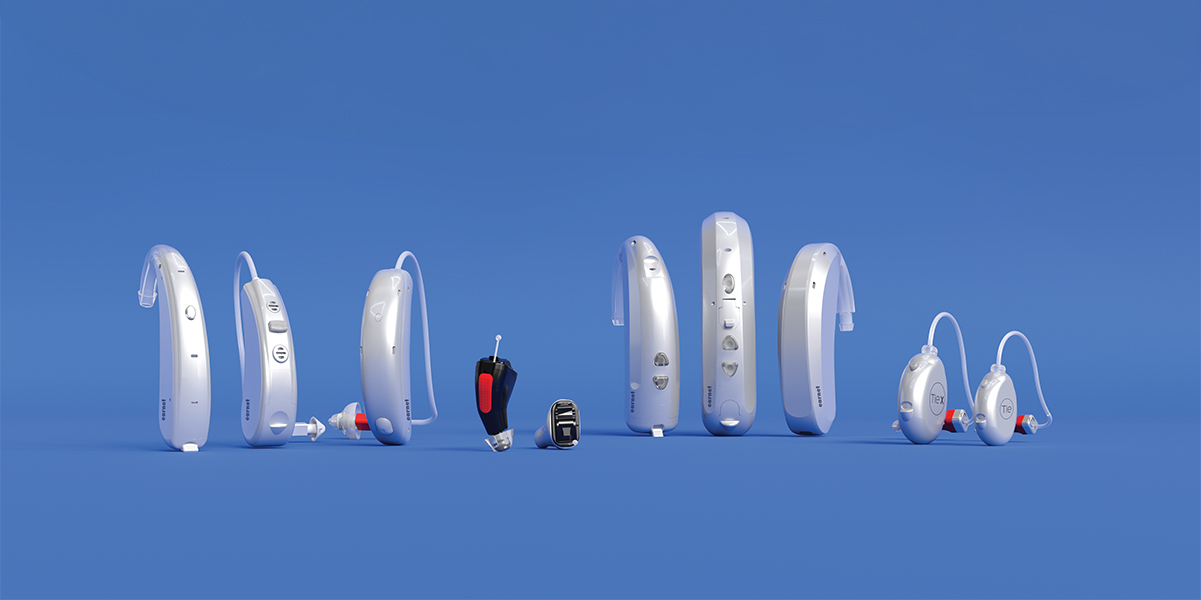
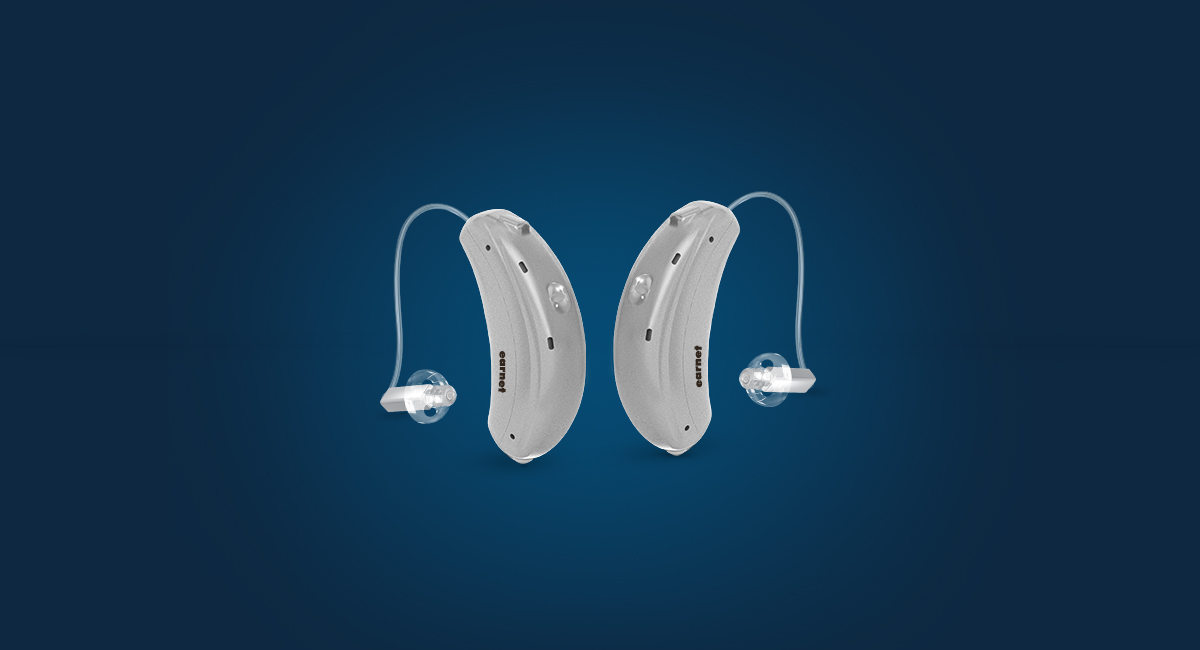
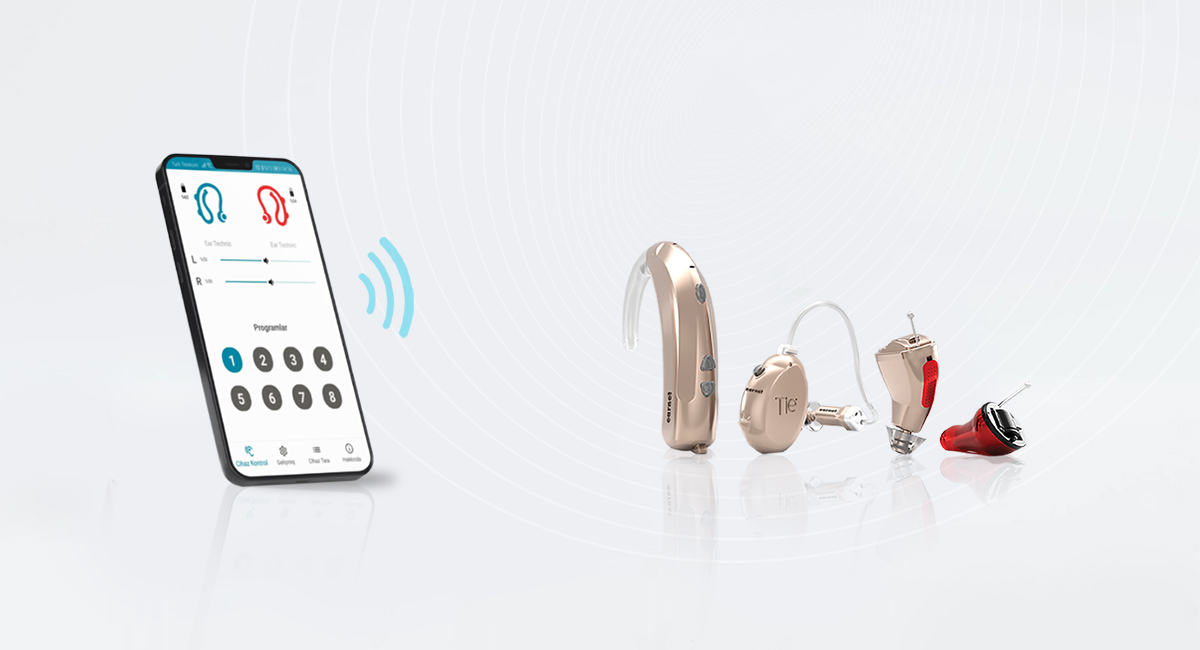
When hearing aids are clinically appropriate, pediatric devices should be selected according to the child’s hearing profile, age, safety, comfort and daily environments. Durability and reliable access to sound are important considerations.
Ongoing Follow-Up Is Essential
Children grow, ears change and listening needs evolve across home and educational environments. Regular audiological follow-up, hearing aid checks and communication with families are therefore important.
Frequently Asked Questions
Can babies and young children use hearing aids?
Yes, when hearing aids are clinically appropriate and professionally selected and fitted.
Does speech delay always mean hearing loss?
No. There are many possible causes, but hearing assessment may be appropriate.
Can a child’s hearing change over time?
Yes. This is one reason ongoing hearing monitoring may be recommended.
Why are pediatric hearing aids different?
Pediatric solutions may emphasize safety, durability, growth-related flexibility and reliable access to sound.
Audiologist and Neuroscience Specialist
Eda Nur KACAKCI