Deutsch
Hearing aids come in different shapes and sizes, and one of the most common questions is whether an in-the-ear or behind-the-ear design is more suitable. The answer depends on more than appearance. Hearing needs, ear anatomy, comfort, handling, connectivity and lifestyle can all influence the choice.
What Are In-the-Ear Hearing Aids?
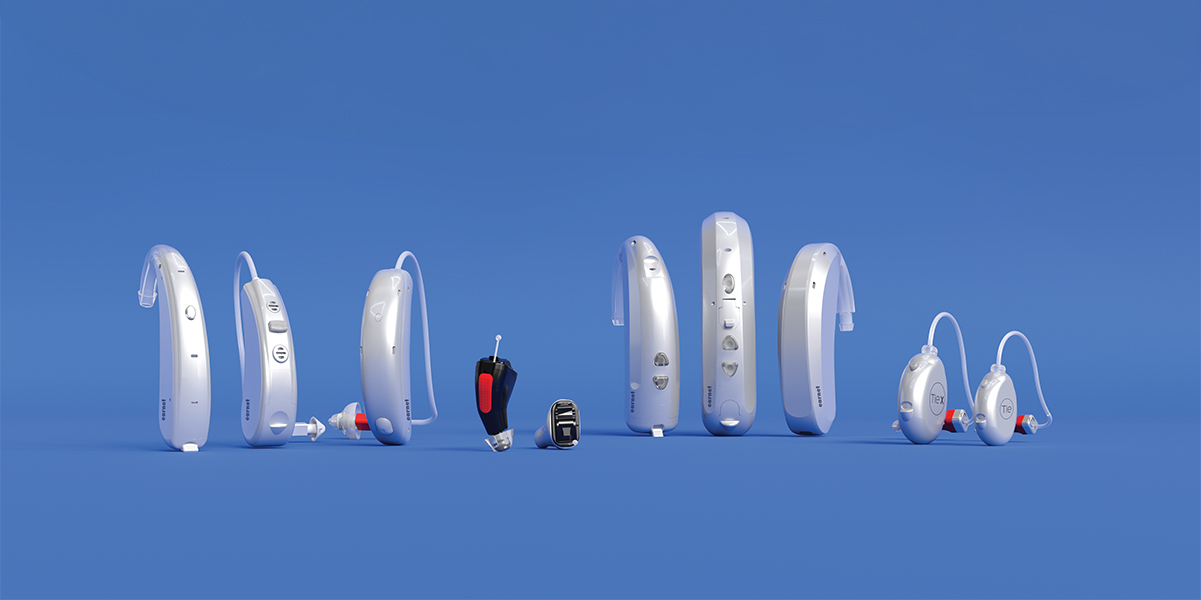
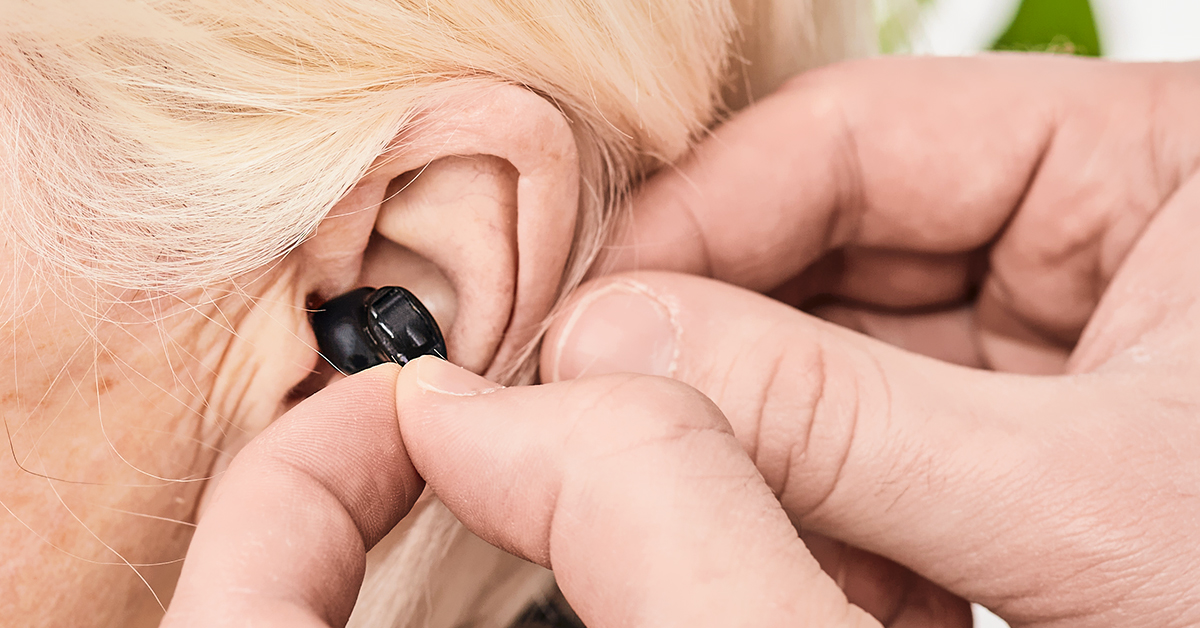
In-the-ear hearing aids place most or all of the device inside the outer ear or ear canal. Depending on the model, they may be described as ITE, ITC, CIC or other custom styles. Their compact design can appeal to users who prefer a device positioned primarily within the ear.
What Are Behind-the-Ear Hearing Aids?
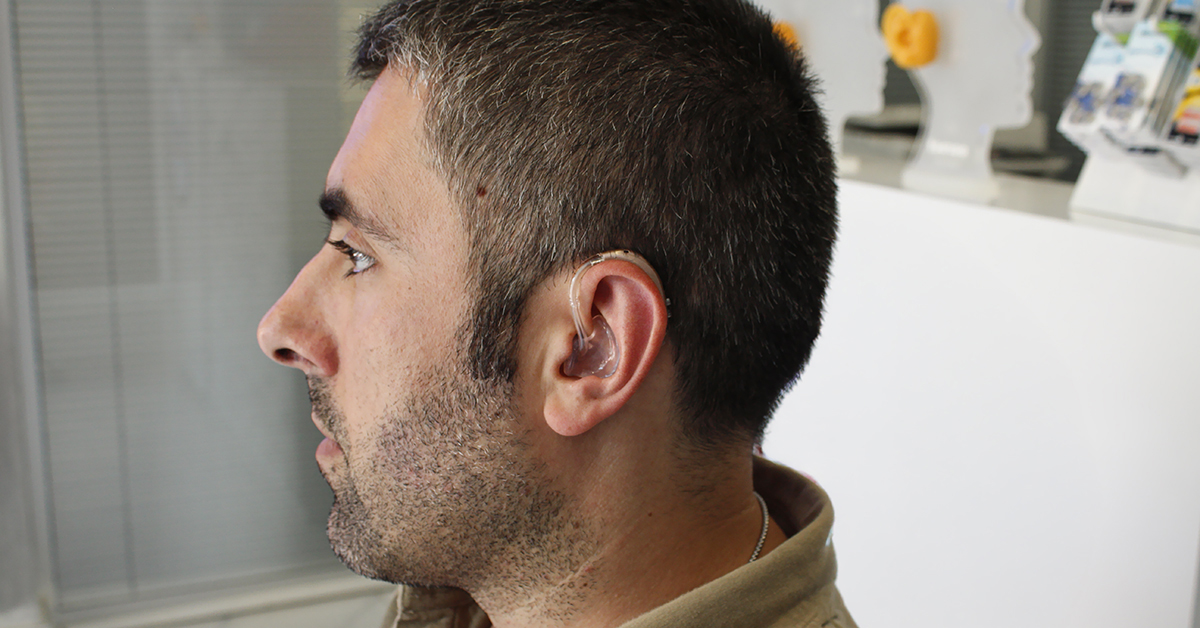
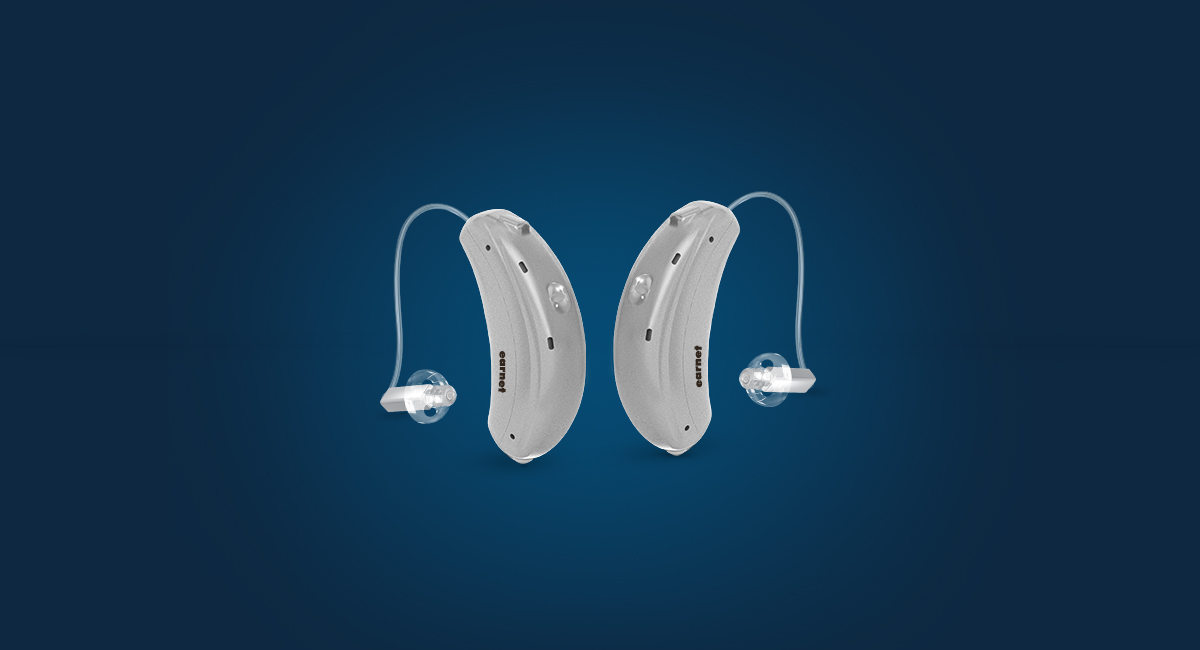
Behind-the-ear devices place the main electronic components behind the ear. Sound is delivered through tubing, an earmold or a receiver positioned in the ear canal. BTE designs can support a broad range of hearing needs and provide space for controls, batteries and wireless technology.
Where Does RIC Fit In?
Receiver-in-canal, or RIC, hearing aids are a popular variation of the behind-the-ear concept. The main body sits behind the ear while a thin wire connects it to a receiver in the ear canal. This can provide a slim appearance while allowing access to modern features.
Comfort and Handling
A small hearing aid is not automatically the easiest to use. People with limited dexterity or vision may prefer larger controls or a design that is easier to insert and remove. Ear shape, sensitivity and the condition of the ear canal can also influence comfort.
Power and Technology Options
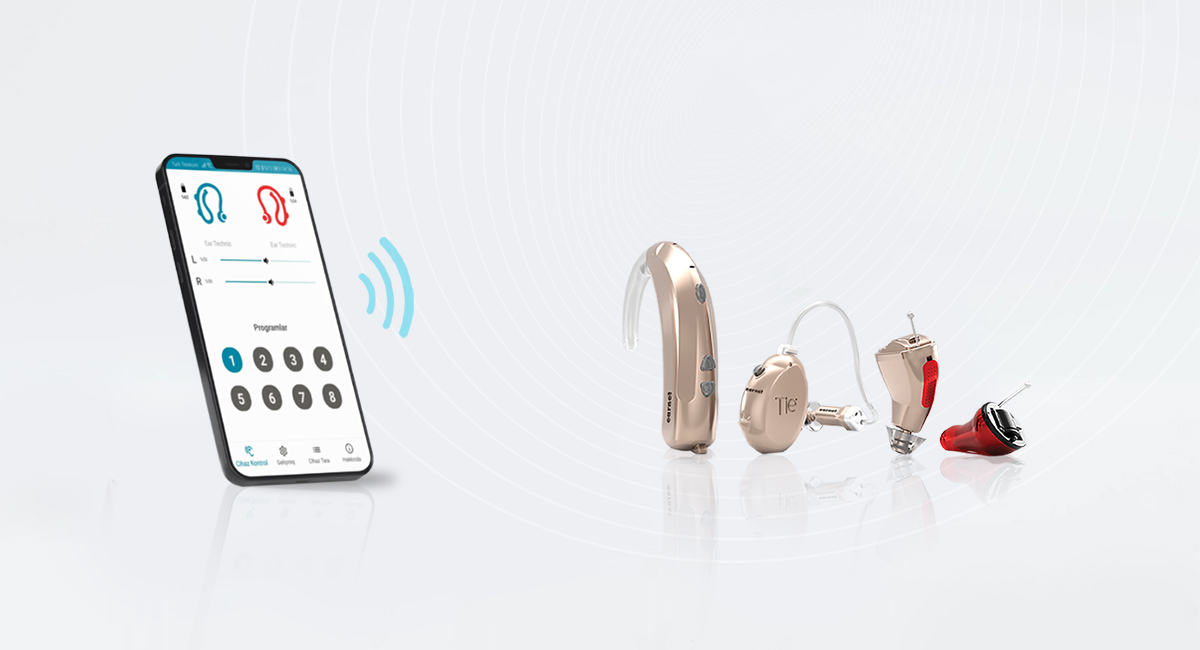
Different styles offer different levels of output, battery capacity and feature availability. Rechargeability, Bluetooth connectivity, directional microphones and other functions vary by model. The appropriate choice should therefore begin with hearing needs rather than cosmetic preference alone.
Which Style Is Right for You?
There is no universal winner between in-the-ear and behind-the-ear hearing aids. A hearing care professional can evaluate hearing thresholds, ear anatomy, lifestyle and practical preferences before recommending suitable options.
Frequently Asked Questions
Are in-the-ear hearing aids always more discreet?
They can be very discreet, but visibility depends on the specific model and the shape of the ear.
Are BTE hearing aids only for severe hearing loss?
No. BTE and RIC families include options for different levels of hearing loss.
Can both styles include Bluetooth?
Depending on the model, both in-the-ear and behind-the-ear devices may offer wireless connectivity.
Does a smaller hearing aid perform better?
Not necessarily. Performance depends on technology, fitting and suitability for the user’s hearing needs.
Audiologist and Neuroscience Specialist
Eda Nur KACAKCI