Deutsch
Hearing loss does not always happen suddenly. In many cases, it develops gradually, which can make the first changes easy to overlook. You may notice that conversations require more effort, certain voices sound less clear, or you increase the volume on your television or phone more often than before. Recognizing these signs early can help you understand what is changing and when a professional hearing assessment may be useful.
Your Hearing Needs Come First
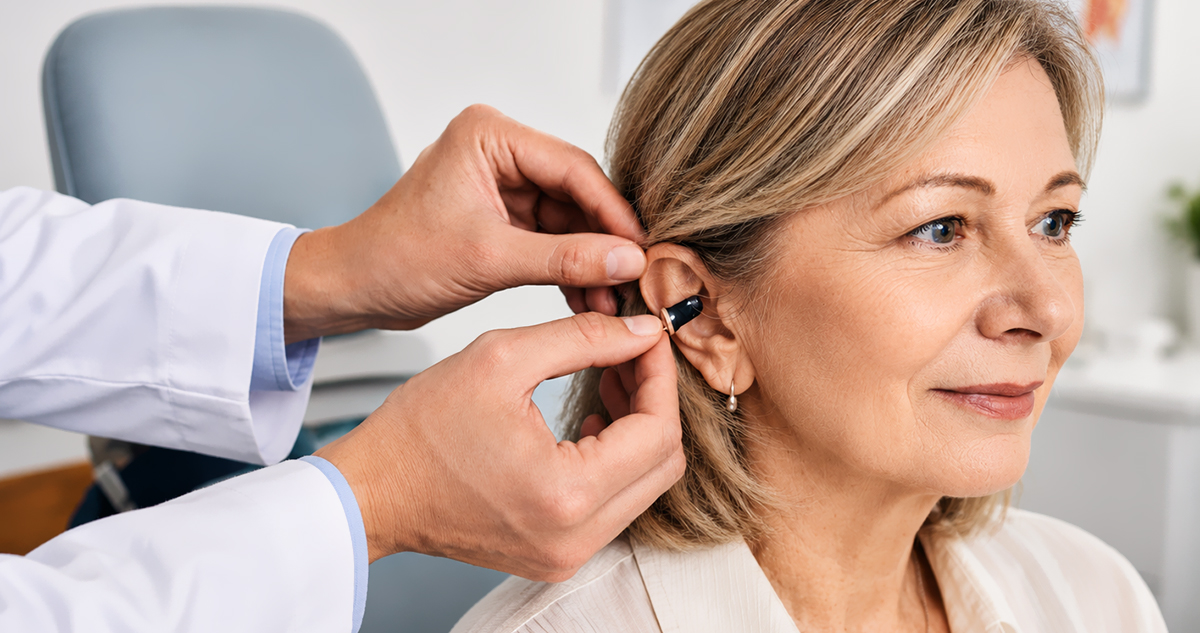
The first step is a professional hearing assessment. An audiological evaluation helps determine the type and degree of hearing loss and provides important information for selecting and programming an appropriate device. Two people with similar hearing test results can still have different listening priorities, so hearing aid selection should be individualized.
Consider Your Daily Lifestyle
Think about where you spend your time and which listening situations matter most. Someone who regularly attends meetings, restaurants or social events may have different requirements from someone who mainly communicates in quieter environments. Phone use, music, television, travel and manual dexterity can also influence the choice.
Choose the Right Hearing Aid Style
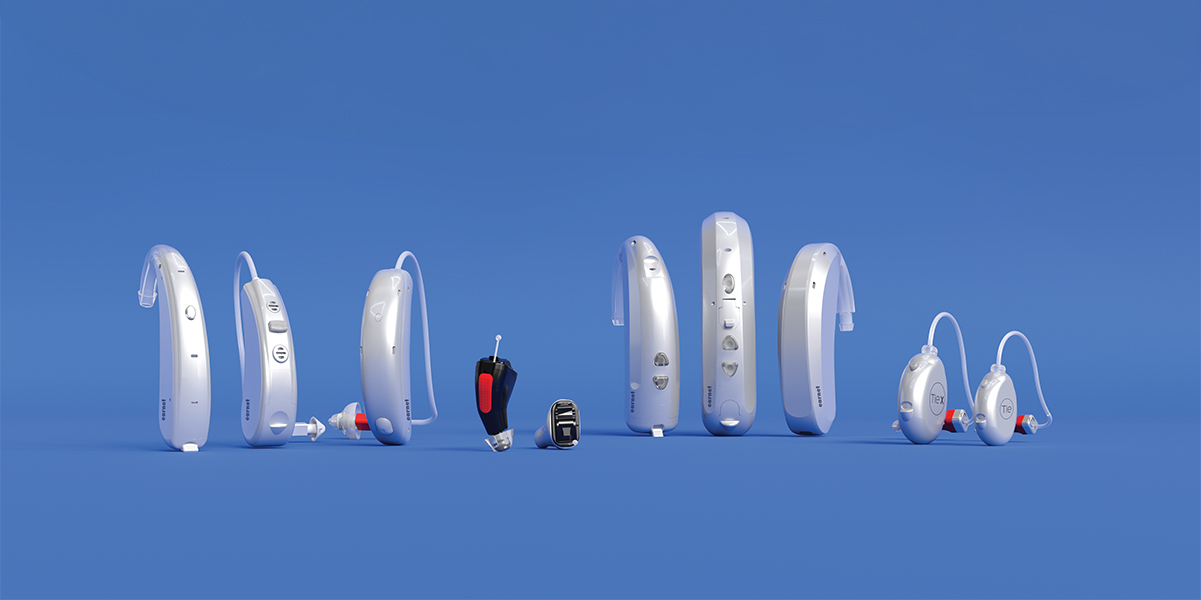
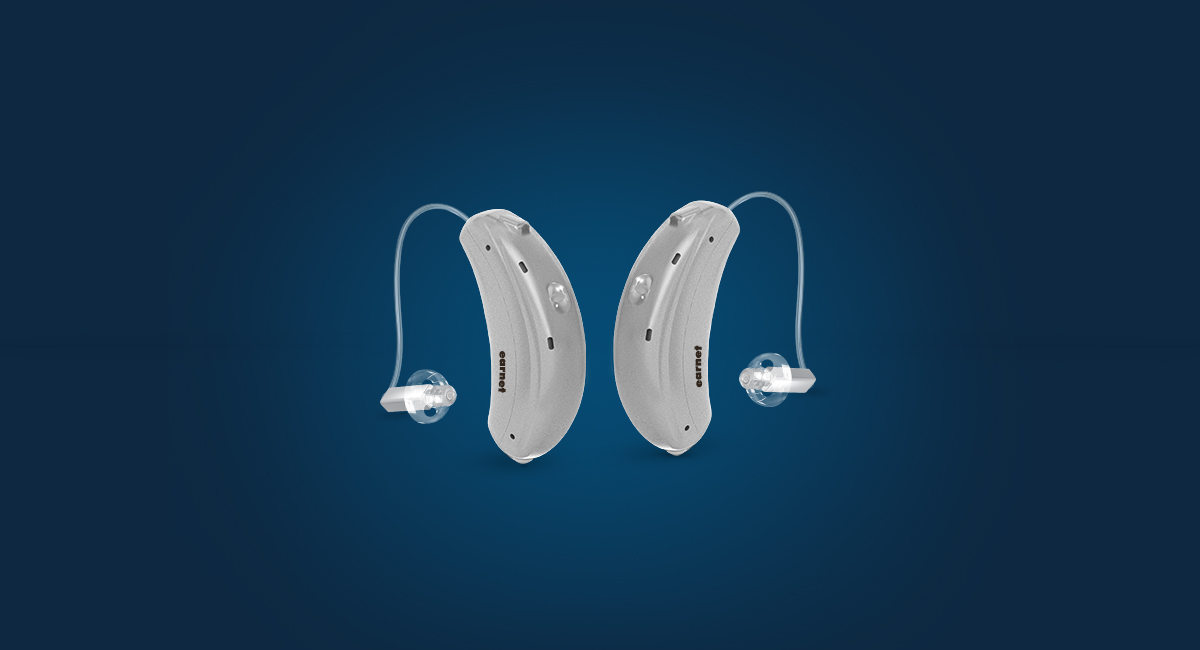
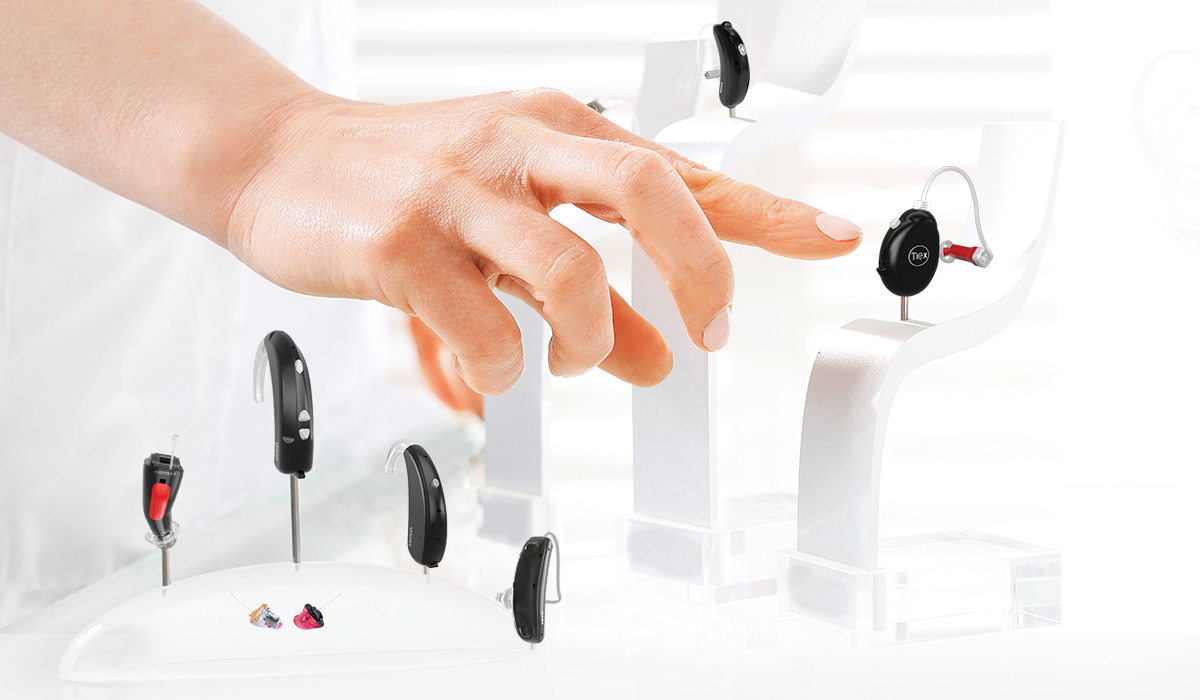
Common styles include behind-the-ear (BTE), receiver-in-canal (RIC) and in-the-ear designs. Each has different characteristics in terms of size, available power, handling, comfort and technology. Ear anatomy, hearing needs and personal preferences all matter.
Rechargeable or Battery-Powered?
Rechargeable hearing aids can reduce the need to handle small disposable batteries and may fit easily into a nightly charging routine. Battery-powered devices remain practical for users who prefer immediate battery replacement or spend long periods away from charging facilities.
Think About Connectivity
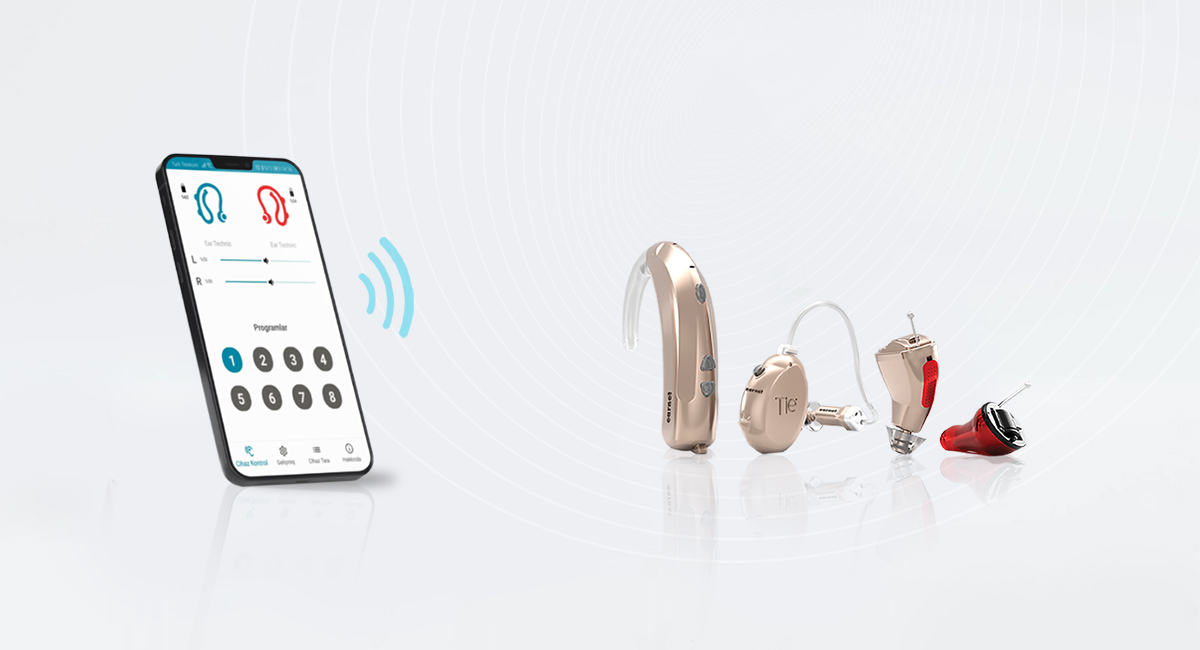
Depending on the model, wireless technology may allow hearing aids to connect with compatible smartphones, televisions or other devices. Calls, music and other audio may be streamed directly to the hearing aids, while mobile applications can provide additional controls.
Look at Features That Support Everyday Listening
Directional microphones, noise management, feedback reduction, multiple programs and automatic environment detection can support different listening situations. More features do not automatically make a hearing aid better; the important question is whether those features are useful for the individual.
Comfort and Professional Fitting Matter
A hearing aid may be worn for many hours each day, so physical comfort matters. Appropriate programming is equally important. Follow-up appointments allow settings to be refined as the user adapts to amplification and experiences different real-world environments.
Frequently Asked Questions
Which type of hearing aid is best?
There is no universally best type. The appropriate option depends on hearing loss, anatomy, lifestyle and individual needs.
Are more expensive hearing aids always better?
Not necessarily. Additional technology is valuable only when it is relevant to the user’s needs.
Is Bluetooth important?
It can be useful for people who frequently use compatible smartphones and other digital devices, but it is not essential for everyone.
Why does professional fitting matter?
Programming allows the hearing aid to be adjusted according to the user’s hearing profile and listening requirements.
Audiologist and Neuroscience Specialist
Eda Nur KACAKCI